
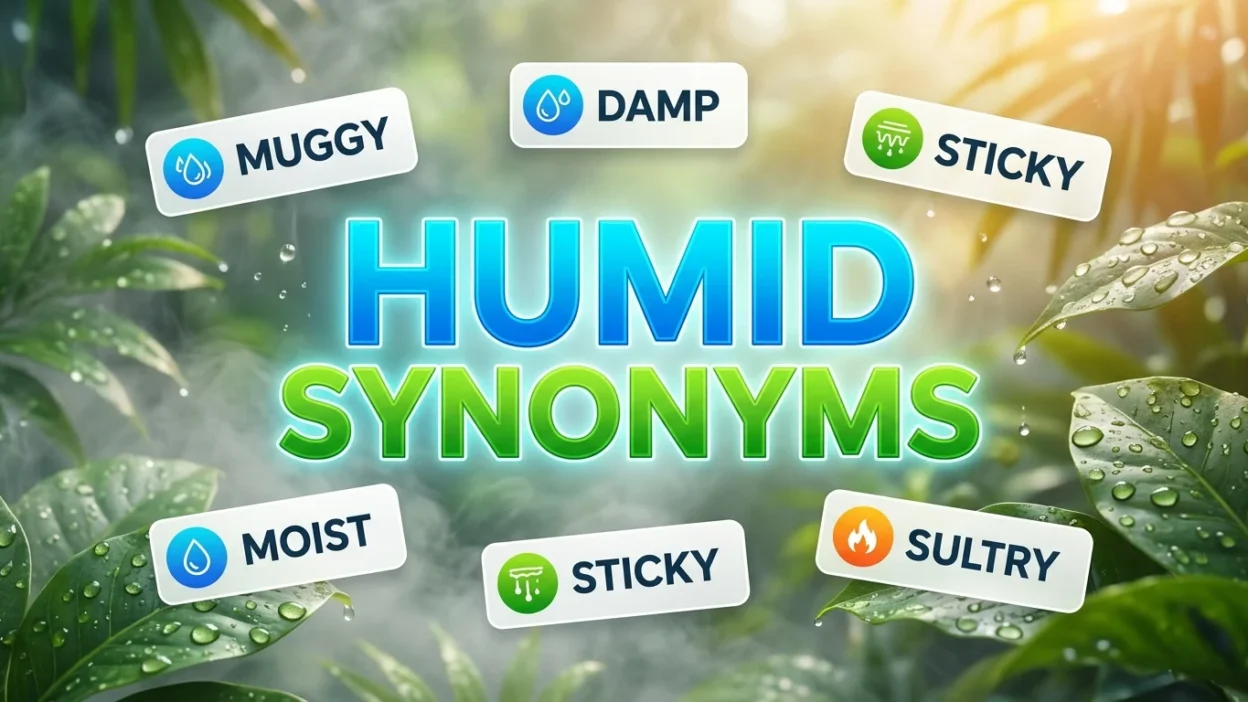
When exploring humid synonyms, it helps to understand how a humid, damp, and moist setting differs from an arid one. A muggy, sticky, and wet morning often reflects local weather, climate, atmosphere, conditions, and the surrounding environment. From my experience, dense vegetation during warm days can make your feet feel free in sandals while walking across uneven ground.
These environmental patterns allow researchers to study the past through geochemical data, mineral analysis, simulations, and evidence of bioturbation. By examining repeated cycles from the Late Cretaceous, they connect findings to how ecosystems changed and how different species managed to survive through changing climate phases. Their efforts are often justified because they reveal valuable information about natural history.
The work remains challenging because fossils hidden beneath a field surface require careful excavations. Every decision follows a clear line of investigation. Researchers may compare movement and impact to a ball being tackled, helping explain how natural forces shifted materials across the landscape and influenced long-term environmental change.
What Does Humid Mean?
Humid means that the air contains a lot of moisture or water vapor. Humid conditions often make people feel warm, sticky, and uncomfortable because sweat does not evaporate easily.
Example:
The weather became extremely humid before the thunderstorm arrived.
Humid is most commonly used when discussing weather, climate, and environmental conditions.
30 Humid Synonyms
1. Damp
Meaning: Slightly wet or moist.
Example: The basement felt damp after the rain.
Best Usage Context: Indoor spaces and surfaces.
2. Moist
Meaning: Containing a small amount of water.
Example: The soil remained moist throughout the day.
Best Usage Context: Soil, food, and air.
3. Muggy
Meaning: Warm and unpleasantly humid.
Example: It was a muggy summer afternoon.
Best Usage Context: Hot weather.
4. Sticky
Meaning: Feeling uncomfortable because of humidity.
Example: The sticky air made it hard to sleep.
Best Usage Context: Personal comfort.
5. Sultry
Meaning: Hot, humid, and often heavy.
Example: The evening was sultry and still.
Best Usage Context: Descriptive weather writing.
6. Clammy
Meaning: Unpleasantly damp and cool.
Example: His hands felt clammy with nervousness.
Best Usage Context: Skin and touch.
7. Wet
Meaning: Covered with water or moisture.
Example: The wet air lingered after the storm.
Best Usage Context: General moisture.
8. Dewy
Meaning: Fresh and lightly covered with moisture.
Example: The grass looked dewy at sunrise.
Best Usage Context: Nature descriptions.
9. Saturated
Meaning: Completely filled with moisture.
Example: The air felt saturated after days of rain.
Best Usage Context: Scientific or weather discussions.
10. Waterlogged
Meaning: Soaked with excessive water.
Example: The fields became waterlogged.
Best Usage Context: Ground and soil conditions.
11. Steamy
Meaning: Filled with warm moisture.
Example: The bathroom became steamy after the shower.
Best Usage Context: Indoor environments.
12. Rainy
Meaning: Characterized by frequent rain.
Example: The rainy season brings humid conditions.
Best Usage Context: Climate descriptions.
13. Tropical
Meaning: Warm, moist, and typical of tropical regions.
Example: The island has a tropical climate.
Best Usage Context: Geography and travel.
14. Oppressive
Meaning: Uncomfortably hot and humid.
Example: The oppressive heat kept everyone indoors.
Best Usage Context: Extreme weather.
15. Sweltering
Meaning: Extremely hot and humid.
Example: It was a sweltering afternoon.
Best Usage Context: Intense summer weather.
16. Heavy
Meaning: Dense and moisture-filled.
Example: The heavy air felt difficult to breathe.
Best Usage Context: Atmospheric descriptions.
17. Misty
Meaning: Filled with tiny droplets of water.
Example: The valley was misty in the morning.
Best Usage Context: Outdoor scenery.
18. Foggy
Meaning: Covered with thick moisture in the air.
Example: The coast was foggy all morning.
Best Usage Context: Weather reports.
19. Drizzly
Meaning: Characterized by light rain and moisture.
Example: A drizzly day often feels humid.
Best Usage Context: Rainy weather.
20. Sweaty
Meaning: Causing perspiration because of heat or humidity.
Example: It was a sweaty walk home.
Best Usage Context: Casual conversation.
21. Moisture-Laden
Meaning: Carrying a large amount of moisture.
Example: Moisture-laden winds moved inland.
Best Usage Context: Formal writing.
22. Sodden
Meaning: Completely soaked.
Example: The sodden ground squished underfoot.
Best Usage Context: Soil and landscapes.
23. Dripping
Meaning: Extremely wet.
Example: The jungle was dripping with moisture.
Best Usage Context: Vivid descriptions.
24. Murky
Meaning: Thick and moisture-filled.
Example: The murky air reduced visibility.
Best Usage Context: Atmospheric descriptions.
25. Vaporous
Meaning: Full of vapor or moisture.
Example: The vaporous air surrounded the lake.
Best Usage Context: Literary writing.
26. Condensed
Meaning: Formed from collected moisture.
Example: Condensed droplets covered the window.
Best Usage Context: Scientific contexts.
27. Hazy
Meaning: Moist and slightly unclear.
Example: A hazy summer day stretched ahead.
Best Usage Context: Weather descriptions.
28. Swampy
Meaning: Wet, humid, and marsh-like.
Example: The swampy air felt heavy.
Best Usage Context: Tropical environments.
29. Moisturized
Meaning: Supplied with moisture.
Example: The humid climate kept the skin moisturized.
Best Usage Context: Beauty and skincare.
30. Sticky-Hot
Meaning: Hot and humid at the same time.
Example: The sticky-hot weather lasted for weeks.
Best Usage Context: Informal speech.
Humid Synonyms Comparison Table
| Synonym | Best For | Tone |
| Damp | Slight moisture | Neutral |
| Moist | Mild moisture | Neutral |
| Muggy | Uncomfortable weather | Informal |
| Sultry | Hot, romantic atmosphere | Descriptive |
| Clammy | Unpleasant dampness | Negative |
| Tropical | Climate discussions | Neutral |
| Oppressive | Extreme discomfort | Strong |
| Sweltering | Very hot weather | Strong |
| Dewy | Fresh nature scenes | Positive |
| Steamy | Warm moisture | Neutral |
How to Choose the Right Humid Synonym
For Weather Reports
Use:
- Humid
- Muggy
- Sweltering
- Tropical
- Oppressive
For Nature Writing
Use:
- Dewy
- Misty
- Hazy
- Vaporous
- Moist
For Scientific Writing
Use:
- Saturated
- Moisture-Laden
- Condensed
- Waterlogged
For Casual Conversations
Use:
- Sticky
- Muggy
- Sweaty
- Sticky-Hot
For Creative or Literary Writing
Use:
- Sultry
- Vaporous
- Dewy
- Swampy
Common Mistakes When Using Humid Synonyms
- Using wet when describing air instead of surfaces.
- Using clammy for pleasant weather.
- Using sweltering when heat is not present.
- Using tropical for every humid situation.
- Confusing moist with soaked or saturated.
Why Learning Humid Synonyms Matters
Understanding humid synonyms helps you:
- Improve vocabulary
- Avoid repetitive writing
- Describe weather more accurately
- Write engaging stories and articles
- Sound more natural in English conversations
Whether you’re writing a travel blog, school essay, weather report, or creative story, using the right synonym can make your writing clearer and more expressive.
Conclusion
Learning humid synonyms is an excellent way to strengthen your English vocabulary and improve your writing. While “humid” is the most common term for moisture-filled air, alternatives such as muggy, damp, moist, sultry, sweltering, and tropical provide more precise meanings depending on the situation.
By understanding the differences between these words and choosing the right synonym for the context, you can communicate more clearly, avoid repetition, and create richer descriptions in both speaking and writing.

Scott Brandon is a creative contributor at PunHubs.com, passionate about crafting clever puns and humorous content. With a love for wordplay and witty storytelling, he aims to entertain readers and bring smiles through fun, shareable jokes. Scott’s work reflects his dedication to spreading laughter online.