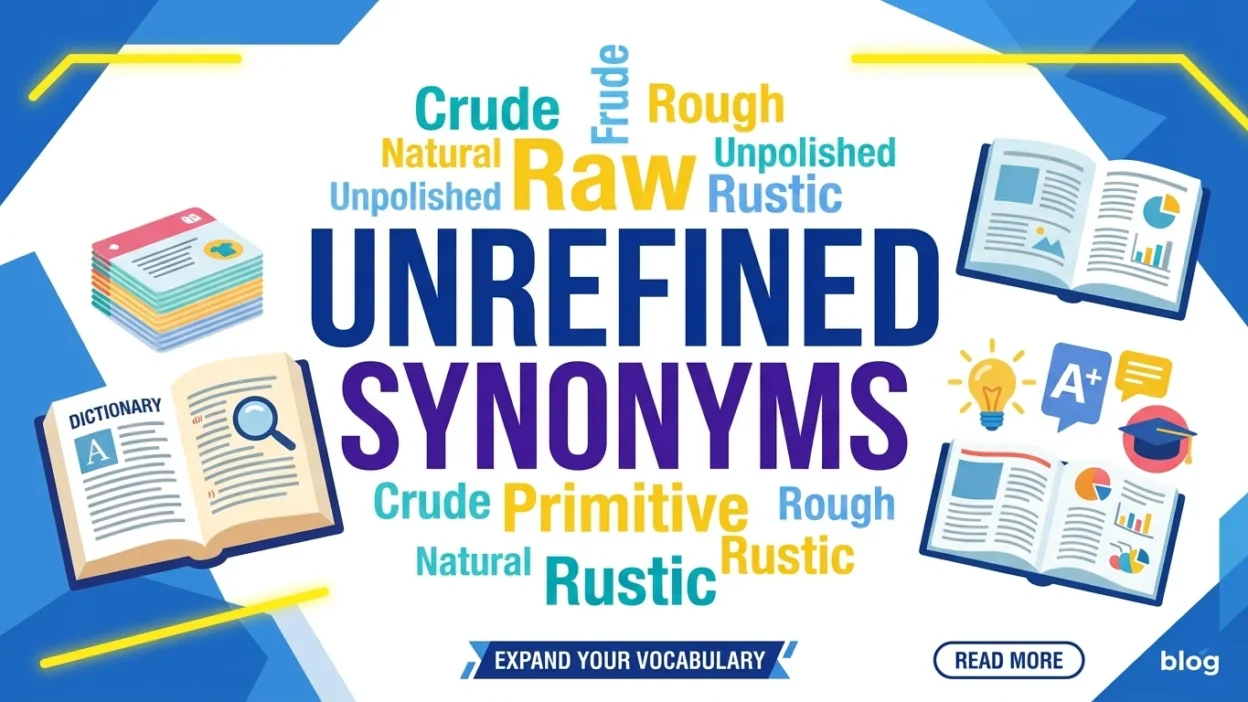
The study of unrefined synonyms often reveals how language describes things that are raw, crude, natural, untreated, and unprocessed, yet still meaningful and valuable in daily life. Items that seem coarse, rough, imperfect, or unsophisticated can remain pure, basic, and simple, showing that not everything needs refinement to have importance.
What appears Rudimentary or undeveloped may preserve qualities that a modern or untested methodology could overlook, especially in professional settings where it may be considered unacceptable to appoint a chair based solely on an untested approach.
I once came across the work of Yasunaga, whose creations combined glaze, decorative ornaments, and carefully shaped objects. The pieces were placed in sand and clay before being strengthened by fire.
This process transformed ordinary materials into something meaningful, highlighting the role of craftsmanship. That story stayed with me because it showed how the character of a work can come from its natural state rather than from excessive polishing.
In north India, women use cow dung, sugar, flour, and lumps of material to produce biofertiliser. Their effort helps reduce anxieties about the supply of chemical fertilisers.
I was also reminded of Swart, who explained how brown rice keeps the whole kernel, unlike white rice, a difference that matters when food becomes unavailable during war. Even a close gang of friends can teach us that value is not always found in polished forms; sometimes the simplest examples offer the strongest lessons.
What Does Unrefined Mean?
Unrefined means not polished, not sophisticated, or not fully developed. It can describe a person who lacks social manners, a skill that needs improvement, or a material that has not been processed.
Example:
- His writing style was unrefined but full of creative ideas.
- The company sells unrefined natural sugar.
30 Synonyms of Unrefined
1. Raw
Meaning: Not processed or developed.
Example: The artist showed raw talent from a young age.
Best Usage Context: Natural ability, materials, early-stage work.
2. Crude
Meaning: Simple, rough, or lacking polish.
Example: The drawing was crude but easy to understand.
Best Usage Context: Skills, designs, communication.
3. Rough
Meaning: Not smooth or finished.
Example: She submitted a rough draft of her essay.
Best Usage Context: Writing, plans, projects.
4. Rudimentary
Meaning: Very basic or undeveloped.
Example: Early tools were Rudimentarycompared to modern ones.
Best Usage Context: Technology, history, development.
5. Unsophisticated
Meaning: Lacking worldly knowledge or refinement.
Example: His taste in fashion was simple and unsophisticated.
Best Usage Context: Lifestyle, culture, behavior.
6. Coarse
Meaning: Rough in texture or manner.
Example: His coarse language offended some listeners.
Best Usage Context: Speech, manners, materials.
7. Unpolished
Meaning: Not improved or perfected.
Example: The speech was unpolished but sincere.
Best Usage Context: Skills, performances, writing.
8. Rustic
Meaning: Simple and country-style.
Example: The cabin had a rustic charm.
Best Usage Context: Homes, design, lifestyle.
9. Natural
Meaning: Existing without artificial improvement.
Example: She preferred natural ingredients.
Best Usage Context: Food, beauty, environment.
10. Unprocessed
Meaning: Not treated or refined.
Example: Unprocessed foods often contain fewer additives.
Best Usage Context: Food, materials.
11. Basic
Meaning: Simple and uncomplicated.
Example: He started with basic cooking skills.
Best Usage Context: Learning, skills, products.
12. Simple
Meaning: Not elaborate or advanced.
Example: They lived a simple life in the countryside.
Best Usage Context: Lifestyle, design, communication.
13. Artless
Meaning: Innocent and lacking sophistication.
Example: Her artless honesty impressed everyone.
Best Usage Context: Personality, communication.
14. Naive
Meaning: Lacking experience or judgment.
Example: It was naive to trust every stranger.
Best Usage Context: Behavior, decision-making.
15. Innocent
Meaning: Free from worldly experience.
Example: The child asked innocent questions.
Best Usage Context: Personality, children.
16. Untutored
Meaning: Not formally educated or trained.
Example: The musician was largely untutored.
Best Usage Context: Education, skills.
17. Uncultivated
Meaning: Lacking education or refinement.
Example: Critics described his early work as uncultivated.
Best Usage Context: Art, behavior, knowledge.
18. Unfinished
Meaning: Not completed.
Example: The project remained unfinished.
Best Usage Context: Work, construction, writing.
19. Unformed
Meaning: Not fully developed.
Example: The idea was still unformed.
Best Usage Context: Ideas, plans.
20. Developing
Meaning: In the process of improvement.
Example: She is a developing writer with great potential.
Best Usage Context: Skills, careers.
21. Green
Meaning: Inexperienced.
Example: He was still green in the industry.
Best Usage Context: Work experience.
22. Amateur
Meaning: Not professionally trained.
Example: The amateur photographer captured beautiful images.
Best Usage Context: Hobbies, skills.
23. Inexperienced
Meaning: Having little practice.
Example: The team was talented but inexperienced.
Best Usage Context: Work, sports.
24. Ungroomed
Meaning: Not carefully maintained.
Example: His ungroomed appearance attracted attention.
Best Usage Context: Appearance.
25. Uncivilized
Meaning: Lacking accepted social behavior.
Example: Some viewed the behavior as uncivilized.
Best Usage Context: Social conduct.
26. Unmannered
Meaning: Lacking good manners.
Example: The guest seemed unmannered at dinner.
Best Usage Context: Etiquette.
27. Homespun
Meaning: Plain and simple.
Example: Her homespun wisdom was practical.
Best Usage Context: Advice, style.
28. Earthy
Meaning: Natural and straightforward.
Example: The novel had an earthy sense of humor.
Best Usage Context: Literature, personality.
29. Unadorned
Meaning: Plain and without decoration.
Example: The room featured an unadorned design.
Best Usage Context: Design, writing.
30. Unenhanced
Meaning: Not improved or altered.
Example: The photo was shown in its unenhanced form.
Best Usage Context: Images, products.
Comparison Table: When to Use Different Unrefined Synonyms
| Synonym | Tone | Best Used For |
| Raw | Neutral | Talent, materials |
| Crude | Negative | Skills, methods |
| Rough | Neutral | Drafts, plans |
| Unpolished | Neutral | Writing, speeches |
| Rustic | Positive | Design, lifestyle |
| Naive | Slightly Negative | Decisions, behavior |
| Natural | Positive | Food, beauty |
| Rudimentary | Neutral | Historical development |
| Coarse | Negative | Language, manners |
| Amateur | Neutral | Hobbies, skills |
How to Choose the Right Synonym
For Natural or Original Things
Use:
- Raw
- Natural
- Unprocessed
- Earthy
These words focus on authenticity rather than lack of quality.
For Skills That Need Improvement
Use:
- Unpolished
- Rough
- Developing
- Amateur
- Inexperienced
These suggest growth potential.
For Social Behavior or Manners
Use:
- Coarse
- Unmannered
- Uncivilized
- Unsophisticated
These describe a lack of refinement in behavior.
For Simple Design or Lifestyle
Use:
- Rustic
- Homespun
- Simple
- Unadorned
These often carry a positive and charming tone.
For Ideas and Projects
Use:
- Unformed
- Unfinished
- Basic
- Rudimentary
These indicate something still in development.
Common Mistakes When Using Unrefined Synonyms
- Do not use crude when you mean simply natural; it often sounds negative.
- Avoid using naive for experienced people because it suggests poor judgment.
- Use rustic when you want a positive country-style feeling.
- Choose unpolished instead of coarse when describing someone with potential.
Why Learning Unrefined Synonyms Matters
A strong vocabulary improves communication. Knowing several unrefined synonyms helps you:
- Write more naturally.
- Avoid repeating the same word.
- Match the correct tone.
- Improve academic and creative writing.
- Express subtle differences in meaning.
For ESL learners and content creators, these small vocabulary choices can make writing more engaging and professional.
Conclusion
Understanding unrefined synonyms allows you to choose words that fit different situations accurately. While all these alternatives relate to something not fully polished or developed, each synonym carries its own tone and meaning.
Words like raw, natural, and rustic often have positive associations, while crude, coarse, and uncivilized can sound more negative.
By learning when and how to use these alternatives, you can improve your vocabulary, write with greater confidence, and communicate more effectively in both everyday and professional contexts.